
Add Row
Add Element
cropper
update

EDH & Folsom DIY Tips

update
Add Element
  • Home
  • Categories
    • Life Hacks & Local Resource Tips
    • Tips, Tricks and Shortcuts
  • Windows, Screens & Shading Solutions
  • Seasonal Home Maintenance
  • DIY Home Projects
  • Energy Efficiency & Smart Homes
  • Curb Appeal & Exterior Upgrades
  • Local Spotlights & Homeowner Resources
  • Safety & Home Security Tips
  • Pest Prevention & Outdoor Comfort
October 30.2025
2 Minutes Read

Discover Essential Questions to Ask Contractors Before Hiring

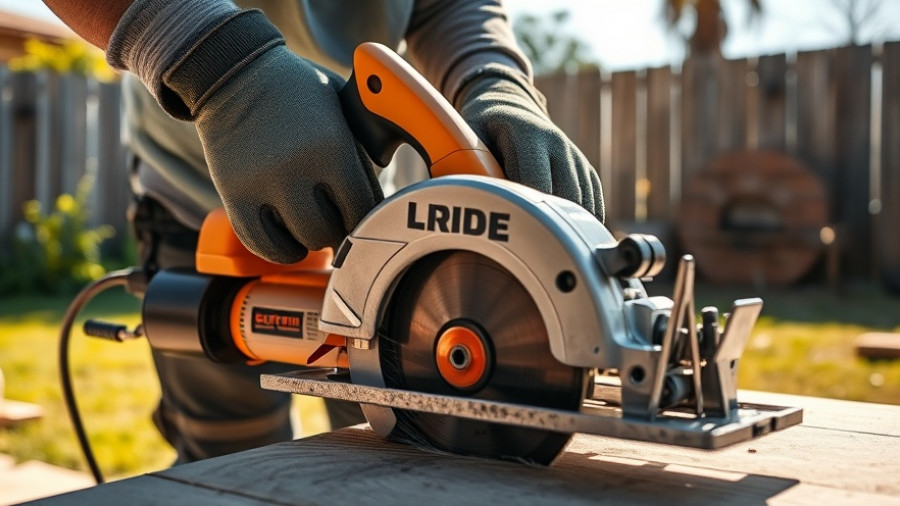
Contractor using circular saw outdoors, key questions to ask before hiring.

Mastering Your Contractor Interview: Key Questions to Consider

When hiring a contractor for home renovations in Folsom and El Dorado Hills, asking the right questions can safeguard your investment. Screening potential contractors beyond their bids and claims is imperative for your peace of mind. Aside from quality material assurance, due diligence on your contractor ensures timely, safe, and ethical work. Here are crucial questions to ask that can protect you from shady practices.

1. Assessing Reputation: Have You Ever Operated Under Another Name?

Red flags can arise from a contractor's answer to this question. If a contractor operated under a different name, it may indicate previous unethical practices. Be diligent: check with local agencies like the Better Business Bureau or Department of Public Safety to verify their history. A clear understanding of their past sets a foundation for trust.

2. The Importance of Licensing: What is Your License Number?

Every contractor in California needs to hold a valid contractor's license. Requesting their license number helps verify not just their legitimacy but also any past judgments or claims against them. It's your security against hiring inexperienced contractors.

3. Guarantees Matter: What Type of Warranty Do You Provide?

Strong warranties offered by established companies are vital. Request the warranty details in writing, ensuring both parties have outlines of responsibilities regarding defective work. Upcoming home projects can sometimes expose flaws years down the road, and having a warranty means you’re not left holding the bag.

4. Communication is Key: How Can I Reach You?

Having a physical address, as well as business and personal contact numbers, is essential. If contractors offer only a cell number or a PO Box, consider this a major warning sign. Effective communication defines a successful contractor-client relationship.

5. Insurance Coverage: What About Your Liability Insurance?

Confirming the extent of a contractor's insurance is non-negotiable. Insufficient general liability or worker’s compensation coverage can put you at risk in case of accidents on the job site. Requesting proof of insurance protects your interests and ensures compliance with safety standards.

6. Professional Affiliations: What Associations Are You Part Of?

Membership in trade organizations demonstrates commitment to ethics and continuous learning. If a contractor is not affiliated with respected associations, inquire why. Trade association memberships also provide leverage should disputes arise during the project.

Conclusion: Make Informed Decisions for Your Home

Before making your decision, diligent research pays off. The right questions can save you from unexpected issues down the line and ensure you hire a contractor whose practices align with your project goals. Remember, a responsible contractor will appreciate your thorough approach, representing confidence in their service. Take your time, review all information, and when ready, hire with intent to build a solid relationship that fosters success!

Safety & Home Security Tips

Write A Comment

*
*
Please complete the captcha to submit your comment.
Related Posts All Posts

Important Safety Recall for Land Rover: Check Your 2026 Defender Now!

Update Land Rover's Recall: Understanding the Risks Land Rover enthusiasts should take notice: a recent recall affects nearly 500 2026 Defender vehicles due to a significant safety concern. The National Highway Traffic Safety Administration (NHTSA) reports issues with the third-row lower seat belt anchorage bracket, where insufficient welding could jeopardize passenger safety in the event of a collision. In such situations, a properly functioning seat belt is critical, and testing has revealed that the faulty weld may not effectively restrain an occupant during an accident, increasing the risk of injury. Identifying Affected Vehicles The recall specifically targets certain 2026 Land Rover Defender models, which were produced between November 3, 2025, and February 20, 2026. Owners can utilize the NHTSA’s Vehicle Identification Number (VIN) tool to check if their Defender is included in the recall. Until confirmation of safety, it’s advisable to limit use of the third-row seating, protecting not only your passengers but your peace of mind on the road. Getting the Recall Fixed Fortunately, repair solutions are available at no cost to vehicle owners. Land Rover has committed to replacing affected anchorage brackets, ensuring all adjustments meet new quality standards that include stronger welding processes. Letters will be dispatched to affected customers by mid-May 2026, detailing how to proceed. If you have any immediate concerns or questions, contacting Land Rover’s customer service directly at 800-637-6837 can provide guidance. Why Complacency Is Not an Option Neglecting this issue could have dire consequences. While your driving skills may be impeccable, accidents can happen unexpectedly. Protecting yourself and your loved ones means being proactive about vehicle safety recalls. If you find yourself in the affected group, prioritize getting these repairs completed to ensure your vehicle is ready for upcoming road trips or off-roading adventures. Staying informed and taking action on recalls not only enhances safety but also builds confidence in your vehicle's reliability. Be vigilantly attentive to recall notifications and ensure that your vehicle is safe before you embark on your journeys.

How to Spot Pothole Damage: Essential Tips for Drivers

Update Signs Your Car Might Be Damaged After Hitting a Pothole Potholes are an unfortunate reality on American roads, especially in areas where winter weather creates a freeze-thaw cycle. Frequently hitting potholes can lead not only to immediate effects like flat tires, but also to hidden damage that might not be apparent until it becomes a costly issue. Why Potholes Are Dangerous Potholes form when water seeps into cracks in the road, freezes, and expands, ultimately breaking down the pavement. The result? A hazardous depression that can lead to serious suspension and steering issues. A study in 2022 revealed that around 44 million drivers have experienced vehicle damage resulting from pothole-related incidents, underscoring the real risks involved. Common Signs of Pothole Damage After hitting a pothole, you should stay alert for specific warning signs that indicate potential damage to your vehicle: Pulling to One Side: This could mean your wheels are misaligned, a common outcome of striking a pothole. Unusual Noises: Clunking sounds, especially when driving over bumps, can suggest problems with your suspension parts. Bouncing or Vibrations: Excessive bouncing while driving could mean your shock absorbers or struts are failing. Tire Issues: Look out for uneven tread wear or bulging sidewalls, which can escalate into flat tires or blowouts if left unchecked. What to Do if You Suspect Damage If you notice any of these signs after hitting a pothole, it's crucial to take action: Inspect Your Tires: Check for any visible damage or drops in air pressure. Listen for Noises: Take your car for a short drive; focus on any new rattles or clunks. Seek Professional Help: If anything feels off, don't hesitate to have a mechanic inspect your vehicle. Ignoring these signs could lead to significant repairs that may cost between $1,000 to $4,000. Early intervention can save you time, money, and improve your safety on the road. Final Thoughts Being proactive about any pothole-related vehicle concerns is key for any homeowner or DIY enthusiast. Regular vehicle maintenance helps identify these issues early on, ensuring a safer driving experience and preventing extensive damage. Stay aware and informed to keep your vehicle safe on those treacherous roads.

Don't Skip Tire Rotations: Essential Maintenance for Safety and Longevity

Update Why Rotating Your Tires is Essential for Your Vehicle's Safety Regular tire rotation is often overlooked by vehicle owners but is a critical maintenance task that prolongs tire life and optimizes vehicle performance. Neglecting this simple step can result in uneven tire wear, leading to decreased traction, increased risk of flats, and even costly drivetrain damage. According to automotive specialists, the front tires of front-wheel-drive vehicles are under the most stress, making rotation vital for maintaining balance and safety. Understanding the Basics of Tire Rotation A tire rotation means changing the position of the tires on your vehicle. This can be as simple as moving front tires to the back and vice versa or swapping them diagonally, depending on your vehicle's drive system. Generally, tire specialists recommend a rotation every 5,000 to 7,500 miles, coinciding with oil changes. This habit not only extends tire life but also enhances your car's handling and safety. Cost-Effective Maintenance That Pays Off Many tire shops offer rotation for a fee between $20 and $50, but it's often complimentary if you purchased your tires there. This low-cost maintenance can save hundreds in potential repairs down the line. Plus, for the hands-on DIY enthusiasts in Folsom and El Dorado Hills, rotating your own tires can be a satisfying weekend project that boosts your knowledge of vehicle maintenance. Tire Rotation Patterns Explained Each vehicle drivetrain has a specific rotation pattern. For front-wheel-drive cars, a forward cross pattern works best, while rear-wheel-drive vehicles need a rearward cross. All-wheel and four-wheel-drive systems benefit from an X-pattern rotation. Knowing the right pattern for your vehicle can prevent excessive wear and promote even handling. In short, don't overlook tire rotations. They are a critical part of vehicle maintenance that keeps you safe on the road and extends the life of your tires—saving you money and potential repair headaches. Make tire rotation part of your to-do list every six months!

Terms of Service

Privacy Policy

Core Modal Title

Sorry, no results found

You Might Find These Articles Interesting

T
Please Check Your Email
We Will Be Following Up Shortly
*
*
*