
Add Row
Add Element
cropper
update

EDH & Folsom DIY Tips

update
Add Element
  • Home
  • Categories
    • Life Hacks & Local Resource Tips
    • Tips, Tricks and Shortcuts
  • Windows, Screens & Shading Solutions
  • Seasonal Home Maintenance
  • DIY Home Projects
  • Energy Efficiency & Smart Homes
  • Curb Appeal & Exterior Upgrades
  • Local Spotlights & Homeowner Resources
  • Safety & Home Security Tips
  • Pest Prevention & Outdoor Comfort
July 31.2025
2 Minutes Read

Essential Pool Cover Pumps: Why Homeowners Need Them This Season

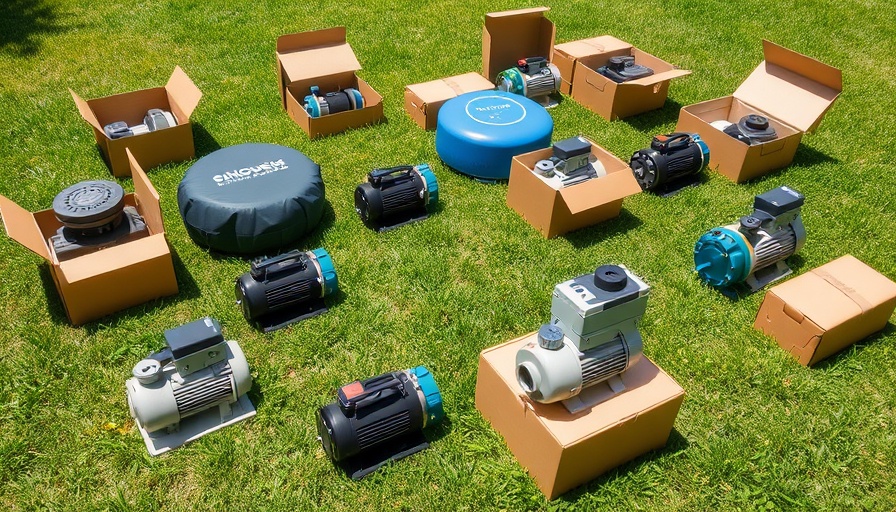
Various pool cover pumps displayed on grass for homeowners.

Why Pool Cover Pumps Are Essential for Homeowners

As summer gives way to autumn, homeowners in Folsom and El Dorado Hills must prepare their pools for the changing seasons. One challenge they face is preventing rainwater buildup on pool covers, which can lead to damage and costly repairs. Enter pool cover pumps, the unsung heroes of seasonal pool maintenance. These devices help you automatically pump out excess water, safeguarding your investment and making winter preparation a breeze.

Adopting DIY Tips for Pool Cover Care

If you enjoy do-it-yourself home projects, maintaining your pool cover is right up your alley. Begin by regularly checking your pool cover to ensure it’s free from debris. Use a pool cover pump with an automatic shut-off feature; it’s one of the best strategies for prolonging the life of your pool cover. This proactive approach also minimizes the need for costly repairs down the line.

Understanding Pump Options: What to Look For

With various models available, it’s essential to choose a pool cover pump suitable for your needs. Look for the features that best suit your situation—like the pump's capacity and whether it’s submersible or not. Brands like Wayne and Superior Pump offer solid options that homeowners trust for effective water management.

Simple Steps to Enhance Pool Cover Longevity

To get the most life out of your pool cover, consider these simple tips: keep the surface clean, avoid letting leaves or debris accumulate, and take care to check the condition of the pump regularly. Combine these practices with the right pump, and your pool cover will last through numerous seasons.

Take Charge of Your Seasonal Pool Maintenance

Don’t let water buildup ruin your pool cover. Equip your home with a reliable pump and blend DIY strategies with professional advice when necessary to ensure your swimming haven remains intact. Taking the time now to address these concerns will save you both time and money in the long run.

Pest Prevention & Outdoor Comfort

0 Comments

Write A Comment

*
*
Related Posts All Posts

Top Tips to Keep Animals From Eating Your Holiday Decorations

Update The Holiday Battle: Why Wildlife Craves Your Decor As the holiday season approaches, many homeowners in Folsom and El Dorado Hills gear up to fill their yards with festive decorations. However, this year, you might notice more than just friends and family enjoying your display. Wildlife, particularly squirrels and raccoons, has taken a keen interest in gnawing and stealing holiday decorations. But why are these animals targeting our festive cheer? Understanding Animal Behavior in the Holiday Context Veterinary experts explain that shiny ornaments and colorful lights aren't just visual treats for wildlife; they pique animals’ natural curiosity and instincts. Squirrels, known for their inquisitive nature, often mistake holiday lights for branches, tempted by their texture and appearance. Additionally, any decorations near food sources, like bird feeders, become even more attractive to these wildlife mischief-makers. Strategies for Protecting Your Holiday Decor As you prepare your home for the holidays, here are some actionable tips to deter animals from feasting on your decorations: Consider Heavy Anchoring: Using landscaping staples to secure your decorations keeps them in place against both wildlife and potential thieves, making it harder for animals to simply swipe away your festive items. Utilize Deterrent Sprays: Coating decorations with bitter-tasting substances like hot pepper spray can repel wandering squirrels, although this may require regular reapplication for effectiveness. Switch It Up: Consider using rope lights instead of traditional string lights since they can be less appealing to gnawing creatures. What Other Homeowners Are Doing Across the community, homeowners are getting creative with ways to keep their decorations intact. Some recommend installing motion-sensing lights to deter not just potential thieves but also any curious animals drawn towards illuminated areas. Others even swear by simply bringing more fragile decorations indoors overnight. By placing more valuable decor closer to the house, visibility increases while the likelihood of animal interference decreases. Walking the Line Between Nature and Tradition While the prospect of wildlife nibbling on our decorations can be frustrating, it can also remind us that we share our beautiful landscape with vibrant local fauna. Balancing our holiday cheer with the habits of nature could lead to a more harmonious coexistence. Remember, even though squirrels and raccoons may cause some havoc, their antics can also add a layer of hilarity to our holiday celebrations.

Why Indoor Air Quality is Crucial for Humid Areas Like Folsom

Update The Importance of Indoor Air Quality in Humid Areas For homeowners in humid climates like Folsom and El Dorado Hills, understanding the intricacies of indoor air quality (IAQ) is essential. Especially in regions experiencing high moisture levels for much of the year, the air inside our homes can be stacked with allergens and pollutants. Acknowledging the implications of humidity on indoor air comfort can significantly enhance our well-being. How Humidity Affects Your Home Environment Humidity levels directly influence the comfort and health of occupants. When humidity rises above 60%, homes become breeding grounds for harmful mold. Mold not only adversely affects your home's structure but also poses serious health risks. This silent threat can easily proliferate in closets, on walls, or around windows, releasing spores into the air—causing respiratory issues and allergic reactions for sensitive household members. Additionally, dust mites thrive in humid conditions. These minuscule pests not only contribute to dust accumulation but also worsen breathing problems. Symptoms like sneezing or nasal congestion may amplify, affecting daily life as one tries to enjoy their living space. Signs You Might Have an IAQ Problem It’s important for homeowners to be vigilant about the signs indicating poor indoor air quality. Musty or damp odors hint at mold presence, while frequent condensation on windows suggests excessive moisture in the air. Visible spots on walls or persistent allergy symptoms signal it's time to reassess indoor humidity levels. These indicators, while often overlooked, are critical signals for a more thorough inspection. Practical Solutions for Maintaining Healthy IAQ To manage humidity effectively, start by checking your HVAC system. Regular maintenance ensures that air conditioning units can efficiently remove both heat and moisture. Incorporating dehumidifiers and improving ventilation in bathrooms and kitchens can also significantly lower humidity levels. Additionally, monitoring moisture with a hygrometer can help homeowners take proactive steps in maintaining a comfortable indoor environment. Lastly, consider the strategic use of exhaust fans to facilitate air circulation. Implementing these solutions can offer small yet significant improvements in the air quality of your home. Why This Matters In a rapidly changing climate, the significance of managing indoor air quality cannot be overstated. Taking decisive measures to combat humidity is an investment in the health and comfort of your family and the longevity of your home. Don’t delay making these essential improvements—your living space deserves the best care.

Transform Your Pantry! Essential Tips to Keep Pests Out

Update Airtight Containers: Your Best Defense Against Pantry PestsTo keep your pantry supplies safe, storing food in airtight containers is critical. Insect experts suggest using durable materials like glass and metal, which prevent pests from infiltrating your food supply. Avoid flimsy plastic and cardboard, as critters can chew through these easily. In fact, many pantry invaders, including weevils and moths, can find their way into less secure packaging. When choosing containers, consider using vacuum-sealed bags for grains and cereals to deter pests even further.Cleanliness is Key: Regular Maintenance MattersCreating a clean pantry can help significantly reduce pest problems. Regularly wipe down shelves and maintain cleanliness to eliminate crumbs and spills that attract pests. Experts advise doing a thorough cleaning every month, moving all items off the shelves for vacuuming. More importantly, ensure that empty food packaging is discarded promptly and don't make the pantry a dumping ground for trash—this would only invite unwanted visitors.Understanding Pests: Knowledge is PowerCommon pantry pests, such as weevils, moths, and beetles, can quickly ruin your food supplies. Educating yourself on their behaviors and signs of infestations, such as damaged packages and webbing, can help you take early action. If you notice these signs, inspect all food items and discard any contaminated products immediately to prevent further infestation. This simple knowledge can turn your pantry into a fortress against these tiny but pesky marauders.Preventative Measures: Take Action Before Issues AriseFreezing grains and flour before storing them is a practical step recommended by pest control experts. By placing these items in the freezer for a few days, you can eliminate any hidden pests or eggs that may have hitched a ride from the store. Additionally, sealing off the entire pantry by caulking gaps and ensuring door seals are robust can offer lasting protection against infestations.Next Steps: Tips for DIY Enthusiasts in Folsom & El Dorado HillsAs a DIY enthusiast, you might appreciate implementing these easy maintenance tips to keep your pantry pest-free. Use natural deterrents such as essential oils to keep rodents at bay and ensure you regularly inspect your pantry for signs of pests. Always make cleanliness a priority, and never underestimate the importance of proper food storage. By following these strategies, you can enjoy a pest-free pantry year-round, ensuring your food supply remains safe and secure.

Terms of Service

Privacy Policy

Core Modal Title

Sorry, no results found

You Might Find These Articles Interesting

T
Please Check Your Email
We Will Be Following Up Shortly
*
*
*