
Add Row
Add Element
cropper
update

EDH & Folsom DIY Tips

update
Add Element
  • Home
  • Categories
    • Life Hacks & Local Resource Tips
    • Tips, Tricks and Shortcuts
  • Windows, Screens & Shading Solutions
  • Seasonal Home Maintenance
  • DIY Home Projects
  • Energy Efficiency & Smart Homes
  • Curb Appeal & Exterior Upgrades
  • Local Spotlights & Homeowner Resources
  • Safety & Home Security Tips
  • Pest Prevention & Outdoor Comfort
October 24.2025
2 Minutes Read

Investing in an Air Purifier Could Be Your Best Flu Season Strategy

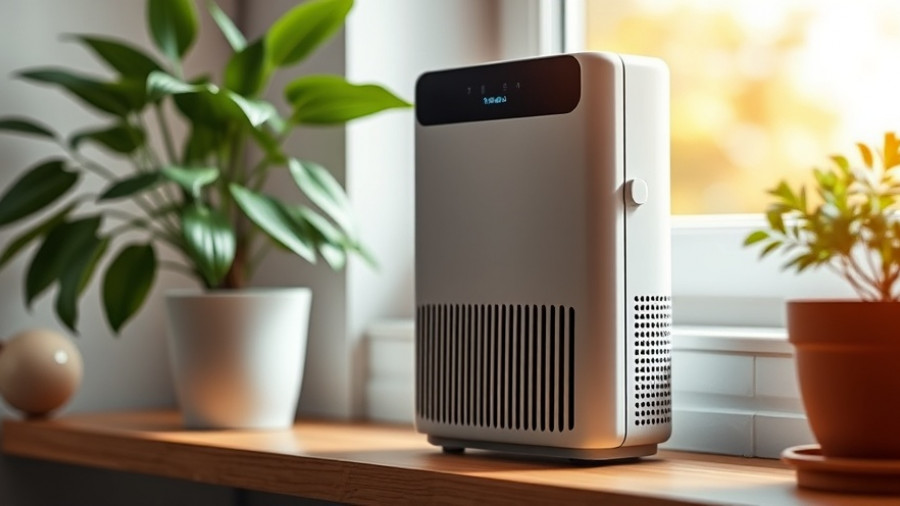
Compact air purifier on windowsill for flu season, next to plant.

Why Investing in an Air Purifier is Crucial This Flu Season

As flu season descends, maintaining optimal indoor air quality becomes a priority for homeowners, especially in regions like Folsom and El Dorado Hills, California, where DIY enthusiasts often seek effective yet straightforward solutions. With the rise of airborne illnesses, an air purifier can serve as a valuable addition to your home, filtering out allergens, dust, and potential pathogens.

The Link Between Air Quality and Health

Studies indicate that the air indoors can be significantly more polluted than outdoor air. This is particularly true in homes with pets or where cooking with strong spices is frequent. An air purifier not only helps eliminate dust and smoke but also captures harmful pathogens that may be circulating in your home. The effectiveness of an air purifier is largely determined by its filter type — specifically, HEPA filters, which remove up to 99.97% of airborne particles that are 0.3 microns or larger.

Top Air Purifier Recommendations for Homeowners

When it comes to choosing the right air purifier, models like the Coway Airmega AP-1512HH Mighty and the Blueair Pure series are among the best choices for homeowners concerned with cleanliness and efficiency. The Coway model stands out for its overall performance, offering quiet operation and an efficient filtering system that doesn't need frequent filter changes. The Blueair models, meanwhile, provide aesthetic options along with strong purification capabilities ideal for larger rooms.

Frequently Asked Questions About Air Purifiers

1. How often should I change my air purifier’s filter? Most HEPA filters need to be replaced annually, but this can depend on usage and environmental factors. Check manufacturer guidelines for specifics.

2. Do air purifiers help with allergies? Yes, air purifiers can capture common allergens like pollen and pet dander, providing relief for allergy sufferers.

3. Can I run my air purifier continuously? Yes, it’s recommended to run your air purifier continuously for the best air quality results, especially when dealing with allergens.

The Bottom Line: Make the Right Choice

With flu season approaching, now is the time to consider investing in an air purifier. Not only does it enhance indoor air quality, but it also promotes a healthier living environment for you and your family. For homeowners in Folsom and El Dorado Hills who appreciate practical DIY solutions, a quality air purifier is an intelligent addition to your home maintenance strategy, allowing you to breathe easier during those colder months.

Pest Prevention & Outdoor Comfort

Write A Comment

*
*
Related Posts All Posts

Stay Comfortable Year-Round: The Best Hygrometers to Measure Humidity

Update The Importance of Monitoring Humidity in Your Home As homeowners in Folsom and El Dorado Hills, California, understanding the humidity levels in your home is crucial for several reasons. Maintaining proper humidity can significantly enhance health, comfort, and the longevity of your home. When humidity is too high, it can lead to mold growth and promote allergens, while too low humidity can cause skin irritation and respiratory issues. Investing in the right hygrometer can help you keep track of these levels and ensure that your indoor environment is healthy. Top Hygrometers for Homeowners: Making the Right Choice With numerous hygrometers on the market, choosing the right one can feel overwhelming. Based on extensive testing and user feedback, we’ve compiled a list of top picks ideal for homeowners looking to monitor humidity effectively. 1. Govee H5051 Wi-Fi Indoor Hygrometer This device emerged as the best overall due to its accuracy and smart features, allowing you to track humidity levels from your smartphone. The integration with Wi-Fi and Bluetooth enhances remote monitoring capabilities, making it an excellent choice for tech-savvy homeowners. 2. AcuRite Indoor Temperature and Humidity Monitor Perfect for those who prefer a straightforward device, the AcuRite monitor is known for its user-friendly interface and displays vital readings easily. This makes it particularly appealing for homeowners focused on DIY projects. 3. SensorPush HT.w Temperature/Humidity Smart Sensor If precision is your priority, this smart sensor provides top-notch accuracy, logging data over time for detailed monitoring of conditions in your home or greenhouse. Benefits of Knowing Your Home’s Humidity Levels By understanding and controlling humidity, homeowners can not only improve their indoor air quality but also enhance the integrity of their home. The right hygrometer equips you with the information needed to prevent mold, protect wooden furniture from warping, and maintain comfortable living conditions year-round. Steps to Implement Humidity Control In Your Home To maintain ideal humidity levels, consider the following steps: Use your hygrometer to monitor readings regularly, aiming for an indoor humidity level of 30-50%. In high humidity areas, utilize dehumidifiers to manage moisture levels effectively. For areas that tend to dry out, invest in humidifiers to add moisture back into the air. Your Next Steps With this knowledge, you can confidently select a hygrometer that meets your household needs and implement necessary changes to enhance your home’s comfort and safety. Don't wait—start monitoring today!

Say Goodbye to Cellar Spiders: Proven Tips for Homeowners

Update Conquering Cellar Spiders: A Homeowner's JourneyFor homeowners in Folsom and El Dorado Hills, tackling cellar spiders in garages or basements is undeniably a nuisance. These long-legged arachnids, often mistaken for their harmless relatives, thrive in dark, damp corners, spinning webs that can rapidly accumulate and create a spooky atmosphere in your home. My recent battle against these unwelcome houseguests shed light on practical strategies to keep them at bay, ensuring a more inviting environment.Understanding Cellar Spiders: What to Look ForRecognize these spiders by their pale yellowish to light brown bodies, along with their exceptionally long legs, which can make them very noticeable yet harmless. As noted by pest control experts, these spiders prefer cluttered spaces with ample moisture. They’re not just living their best lives in the shadows; they indicate a thriving population of other insects, often their main source of food, like flies and other pests.Effective Strategies for ControlThe good news? You don’t need chemical treatments to combat cellar spiders. Using simple practices, you can reduce their numbers significantly:Declutter Regularly: By minimizing storage boxes and unnecessary items in your garage, you remove their hiding places.Vacuum Often: Regularly clearing out cobwebs and spiders can deter their return. This simple step helps keep your home clean and reduces their habitat.Seal It Up: Use caulking to seal gaps around windows and doors, making it harder for spiders to enter your space.Control Humidity: Running a dehumidifier in areas like basements can make them less appealing to both spiders and other insects.Professional Help: If your home remains a spider sanctuary despite your efforts, eco-friendly pest control services can help tackle the root of the problem.Why Knowing This Matters to HomeownersUnderstanding cellar spiders is about more than just aesthetics; it's about creating a comfortable living space free from unwanted visitors. These preventative measures not only keep the spiders away but also enhance your home’s cleanliness and safety. The goal isn't just to evict these spiders, but also to maintain a home environment that you can be proud to share with your family and friends.

Why Homeowners Need to Know About Asian Needle Ants Today

Update Understanding Asian Needle Ants: A Growing ConcernAsian needle ants (Brachyponera chinensis) are increasingly establishing their presence across the southeastern United States, making them a growing concern for homeowners in urban areas like Folsom and El Dorado Hills, California. Original from Southeast Asia, these invasive pests thrive in moist, shaded environments, often nesting in unexpected spaces such as landscaping mulch and crawl spaces. Their adaptability allows them to thrive close to human habitats, leading to an uptick in their visibility and potential conflict with residents.Identifying Asian Needle AntsOne of the key processes for managing these pests is proper identification. Asian needle ants are typically medium-sized, measuring around 5-6.5 mm. Their bodies are dark brown to black, with lighter-colored mandibles and legs. Unlike other ant species, Asian needle ants can deliver a painful sting when threatened, creating potential health risks for sensitive individuals. Recognizing them can prevent more serious infestations and injury.Why You Should CareHomeowners should be particularly vigilant about Asian needle ants not only because of their painful stings but also due to their aggressive behavior towards other native ant species, displacing helpful insects that contribute to local ecosystems. Their presence can disrupt soil aeration and natural pest control, ultimately impacting plant health in gardens and yards. Therefore, knowledge of this species helps in maintaining the ecological balance in your outdoor spaces.Effective Prevention StrategiesTo keep your property free from Asian needle ants, there are several proactive steps you can take: 1) Maintain cleanliness by sealing food sources and eliminating moisture; 2) Regularly inspect and seal entry points like cracks around windows and doors; 3) Maintain a buffer zone around your property by keeping mulch and leaf litter at a safe distance from your foundation. By employing these tactics, homeowners can significantly deter these invasive ants from settling in and taking over.Seeking Professional HelpIf you suspect a significant infestation, contacting professional pest control services can provide customized solutions tailored to your home's conditions. Qualified technicians can thoroughly assess your property, identify nesting locations, and implement effective management strategies to keep these unwanted guests at bay.In conclusion, understanding Asian needle ants is vital for homeowners who appreciate the aesthetics of their outdoor spaces and wish to maintain a healthy environment. Taking preventive measures can mitigate risks associated with these pests.

Terms of Service

Privacy Policy

Core Modal Title

Sorry, no results found

You Might Find These Articles Interesting

T
Please Check Your Email
We Will Be Following Up Shortly
*
*
*