
Add Row
Add Element
cropper
update

EDH & Folsom DIY Tips

update
Add Element
  • Home
  • Categories
    • Life Hacks & Local Resource Tips
    • Tips, Tricks and Shortcuts
  • Windows, Screens & Shading Solutions
  • Seasonal Home Maintenance
  • DIY Home Projects
  • Energy Efficiency & Smart Homes
  • Curb Appeal & Exterior Upgrades
  • Local Spotlights & Homeowner Resources
  • Safety & Home Security Tips
  • Pest Prevention & Outdoor Comfort
October 29.2025
2 Minutes Read

What California Homeowners Should Know About Sidewalk Repair Costs

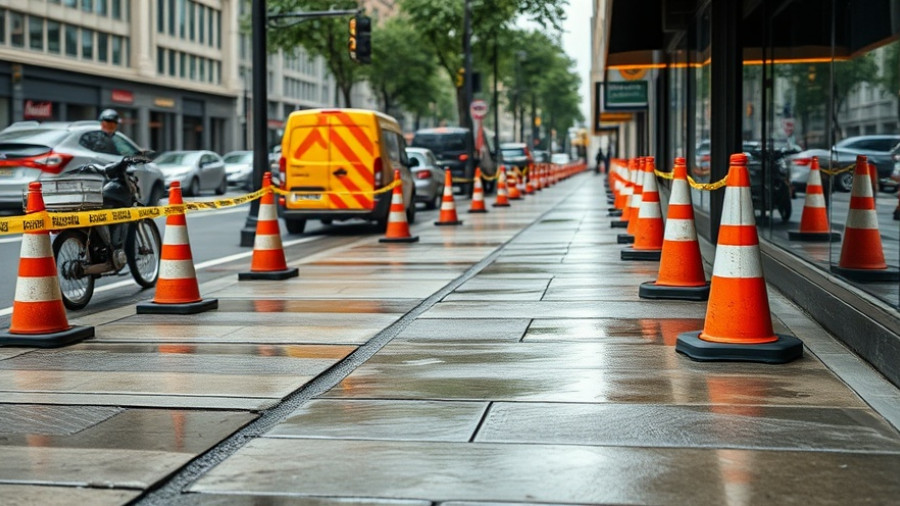
Sidewalk repair scene with caution tape in California

The Importance of Sidewalk Maintenance in California

For homeowners in Folsom and El Dorado Hills, maintaining safe and compliant sidewalks is not just a matter of legal obligation, but also a crucial aspect of community safety. Sidewalks often see heavy usage, and if left unattended, can deteriorate over time, posing risks to pedestrians and homeowners alike.

Understanding Sidewalk Violations

Sidewalk violations can arise from issues such as cracking, uneven surfaces, or damage caused by tree roots. Although specific regulations may differ from New York City, understanding this legal framework is vital. Just like NYC’s Department of Transportation mandates repairs, homeowners in California should remain vigilant about sidewalk conditions to prevent potential liabilities.

Cost Breakdown for Common Repairs

In California, similar to NYC, the costs associated with sidewalk repairs can vary widely. For light repairs such as cosmetic crack sealing, homeowners might spend between $1 and $3 per square foot. Moderate repairs, which involve fixing uneven surfaces or replacing sections, can escalate to $3-$8 per square foot, while a full replacement could range from $5 to $20. Homeowners should also factor in the quality and type of materials used.

Permits and Regulations

Engaging the local authorities to confirm if a permit is required is an essential step before undertaking repairs. In NYC, for example, a sidewalk construction permit carries an expense of around $70, which could vary in California. Failure to properly secure the permits can lead to unnecessary fines and delays in the repair process.

Choosing the Right Contractor or DIY?

Another consideration homeowners must ponder is whether to undertake repairs themselves or hire a professional contractor. For minor jobs, DIY may be an appealing option, especially for those with a knack for home improvement. However, it's critical to recognize when professional help is warranted to ensure safe and quality work—which can ultimately save money in the long run by avoiding future violations.

Conclusion: Staying Proactive

While sidewalk repairs may seem daunting, a proactive approach to maintenance can safeguard homeowners from larger future costs and enhance the neighborhood's safety. By monitoring sidewalk conditions regularly, swiftly addressing any damage, and understanding repair costs, homeowners can effectively manage their properties while ensuring compliance with local guidelines.

Safety & Home Security Tips

Write A Comment

*
*
Please complete the captcha to submit your comment.
Related Posts All Posts

Important Safety Recall for Land Rover: Check Your 2026 Defender Now!

Update Land Rover's Recall: Understanding the Risks Land Rover enthusiasts should take notice: a recent recall affects nearly 500 2026 Defender vehicles due to a significant safety concern. The National Highway Traffic Safety Administration (NHTSA) reports issues with the third-row lower seat belt anchorage bracket, where insufficient welding could jeopardize passenger safety in the event of a collision. In such situations, a properly functioning seat belt is critical, and testing has revealed that the faulty weld may not effectively restrain an occupant during an accident, increasing the risk of injury. Identifying Affected Vehicles The recall specifically targets certain 2026 Land Rover Defender models, which were produced between November 3, 2025, and February 20, 2026. Owners can utilize the NHTSA’s Vehicle Identification Number (VIN) tool to check if their Defender is included in the recall. Until confirmation of safety, it’s advisable to limit use of the third-row seating, protecting not only your passengers but your peace of mind on the road. Getting the Recall Fixed Fortunately, repair solutions are available at no cost to vehicle owners. Land Rover has committed to replacing affected anchorage brackets, ensuring all adjustments meet new quality standards that include stronger welding processes. Letters will be dispatched to affected customers by mid-May 2026, detailing how to proceed. If you have any immediate concerns or questions, contacting Land Rover’s customer service directly at 800-637-6837 can provide guidance. Why Complacency Is Not an Option Neglecting this issue could have dire consequences. While your driving skills may be impeccable, accidents can happen unexpectedly. Protecting yourself and your loved ones means being proactive about vehicle safety recalls. If you find yourself in the affected group, prioritize getting these repairs completed to ensure your vehicle is ready for upcoming road trips or off-roading adventures. Staying informed and taking action on recalls not only enhances safety but also builds confidence in your vehicle's reliability. Be vigilantly attentive to recall notifications and ensure that your vehicle is safe before you embark on your journeys.

How to Spot Pothole Damage: Essential Tips for Drivers

Update Signs Your Car Might Be Damaged After Hitting a Pothole Potholes are an unfortunate reality on American roads, especially in areas where winter weather creates a freeze-thaw cycle. Frequently hitting potholes can lead not only to immediate effects like flat tires, but also to hidden damage that might not be apparent until it becomes a costly issue. Why Potholes Are Dangerous Potholes form when water seeps into cracks in the road, freezes, and expands, ultimately breaking down the pavement. The result? A hazardous depression that can lead to serious suspension and steering issues. A study in 2022 revealed that around 44 million drivers have experienced vehicle damage resulting from pothole-related incidents, underscoring the real risks involved. Common Signs of Pothole Damage After hitting a pothole, you should stay alert for specific warning signs that indicate potential damage to your vehicle: Pulling to One Side: This could mean your wheels are misaligned, a common outcome of striking a pothole. Unusual Noises: Clunking sounds, especially when driving over bumps, can suggest problems with your suspension parts. Bouncing or Vibrations: Excessive bouncing while driving could mean your shock absorbers or struts are failing. Tire Issues: Look out for uneven tread wear or bulging sidewalls, which can escalate into flat tires or blowouts if left unchecked. What to Do if You Suspect Damage If you notice any of these signs after hitting a pothole, it's crucial to take action: Inspect Your Tires: Check for any visible damage or drops in air pressure. Listen for Noises: Take your car for a short drive; focus on any new rattles or clunks. Seek Professional Help: If anything feels off, don't hesitate to have a mechanic inspect your vehicle. Ignoring these signs could lead to significant repairs that may cost between $1,000 to $4,000. Early intervention can save you time, money, and improve your safety on the road. Final Thoughts Being proactive about any pothole-related vehicle concerns is key for any homeowner or DIY enthusiast. Regular vehicle maintenance helps identify these issues early on, ensuring a safer driving experience and preventing extensive damage. Stay aware and informed to keep your vehicle safe on those treacherous roads.

Don't Skip Tire Rotations: Essential Maintenance for Safety and Longevity

Update Why Rotating Your Tires is Essential for Your Vehicle's Safety Regular tire rotation is often overlooked by vehicle owners but is a critical maintenance task that prolongs tire life and optimizes vehicle performance. Neglecting this simple step can result in uneven tire wear, leading to decreased traction, increased risk of flats, and even costly drivetrain damage. According to automotive specialists, the front tires of front-wheel-drive vehicles are under the most stress, making rotation vital for maintaining balance and safety. Understanding the Basics of Tire Rotation A tire rotation means changing the position of the tires on your vehicle. This can be as simple as moving front tires to the back and vice versa or swapping them diagonally, depending on your vehicle's drive system. Generally, tire specialists recommend a rotation every 5,000 to 7,500 miles, coinciding with oil changes. This habit not only extends tire life but also enhances your car's handling and safety. Cost-Effective Maintenance That Pays Off Many tire shops offer rotation for a fee between $20 and $50, but it's often complimentary if you purchased your tires there. This low-cost maintenance can save hundreds in potential repairs down the line. Plus, for the hands-on DIY enthusiasts in Folsom and El Dorado Hills, rotating your own tires can be a satisfying weekend project that boosts your knowledge of vehicle maintenance. Tire Rotation Patterns Explained Each vehicle drivetrain has a specific rotation pattern. For front-wheel-drive cars, a forward cross pattern works best, while rear-wheel-drive vehicles need a rearward cross. All-wheel and four-wheel-drive systems benefit from an X-pattern rotation. Knowing the right pattern for your vehicle can prevent excessive wear and promote even handling. In short, don't overlook tire rotations. They are a critical part of vehicle maintenance that keeps you safe on the road and extends the life of your tires—saving you money and potential repair headaches. Make tire rotation part of your to-do list every six months!

Terms of Service

Privacy Policy

Core Modal Title

Sorry, no results found

You Might Find These Articles Interesting

T
Please Check Your Email
We Will Be Following Up Shortly
*
*
*