
Add Row
Add Element
cropper
update

EDH & Folsom DIY Tips

update
Add Element
  • Home
  • Categories
    • Life Hacks & Local Resource Tips
    • Tips, Tricks and Shortcuts
  • Windows, Screens & Shading Solutions
  • Seasonal Home Maintenance
  • DIY Home Projects
  • Energy Efficiency & Smart Homes
  • Curb Appeal & Exterior Upgrades
  • Local Spotlights & Homeowner Resources
  • Safety & Home Security Tips
  • Pest Prevention & Outdoor Comfort
August 02.2025
2 Minutes Read

Why New Jersey Drivers Can’t Pump Their Own Gas: A Deep Dive

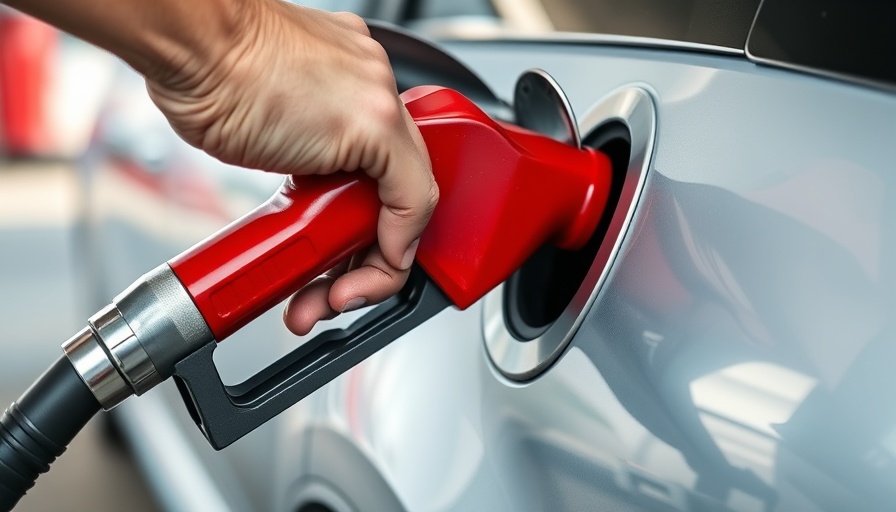
Close-up of hand using red gas pump nozzle at a gas station.

Why Pumping Your Own Gas is Still a No-Go in New Jersey

If you've ever wondered, "Why can't I pump my own gas in New Jersey?" you're not alone. It may seem peculiar, especially when virtually every other state allows for self-service. But there’s a well-established reason behind this distinct practice in the Garden State.

The Historical Context Behind the Law

New Jersey's restriction on self-serve gas pumping is anchored in the Retail Gasoline Dispensing Safety Act, enacted back in 1949. Legislators aimed to mitigate fire hazards and increase safety compliance at gas stations. As outlined by NJ.gov, attendants are responsible for ensuring safety procedures, like turning off engines during fueling, which reduces potential flames and accidents. This historical choice reflects a deep-seated commitment to public safety that has endured across generations.

Safety and Public Interest: The Real Reasons

Skeptics of this law might argue that it limits personal convenience, yet it also prioritizes consumer safety. As Eric Blomgren, Executive Director of the New Jersey Gasoline, C-Store, Automotive Association, explains, attendants not only pump gas but also provide maintenance checks that drivers might neglect when self-serving. By having professionals handle these tasks, consumers could save on costly repairs that result from overlooked maintenance issues.

The Economic Impact: Is Gas More Expensive?

There's an ongoing debate over whether gas prices in New Jersey are inflated due to the cost of labor associated with gas attendants. Currently, New Jersey has an average gas price of $3.037, which appears lower compared to neighboring states like New York and Connecticut but higher than some Midwestern states. Expert commentary emphasizes that while the necessity of attendants may contribute to costs, it also assures safety and service quality.

Concluding Thoughts and Local Insights

While not every resident may appreciate the no-self-service rule, it's essential for homeowners and DIY enthusiasts in areas like Folsom and El Dorado Hills to recognize the underlying value this law brings. Remember, the next time you fill up your vehicle in New Jersey, you're not just receiving gas; you're tapping into a longstanding ethos of safety and communal care. For those considering a visit, embrace the unique experience of being served at the pump — it’s part of what makes New Jersey, well, New Jersey!

If you’re looking to navigate the intricacies of homeownership and local practices, stay informed, and explore topics ranging from DIY home projects to energy efficiency tips that can enhance your living environment.

Tips, Tricks and Shortcuts

Write A Comment

*
*
Related Posts All Posts

Water Heater Not Producing Hot Water? Here’s What You Need to Know

Update Understanding the Frustration of Cold Showers If there's anything more jarring than a cold shower to start your day, it's the realization that your water heater isn’t working properly. Homeowners in Folsom and El Dorado Hills, California should take a moment to understand the common reasons behind a lack of hot water, especially since addressing these issues early can save a lot of hassle later. Is Your Power Supply Failing? For those with electric water heaters, power issues are often the simplest fix. A tripped circuit breaker or blown fuse may have shut down the system entirely. Electric heaters typically rely on a couple of internal heating elements. If one fails, expect lukewarm or even cold showers rather than the hot water you need. It's wise for DIYers to check their electrical panels first, but if resetting a breaker doesn’t restore functionality, it’s time to call in a professional. Gas Hot Water Systems: What to Check for For gas-powered heaters, problems often arise from the pilot light. Should it go out, the burner shuts down too, leaving you with cold water. If relighting doesn’t solve the problem, a malfunctioning thermocouple or gas control valve could be at fault. Remember, gas issues can be serious; if you smell gas, evacuate and consult a licensed technician immediately. Maintenance Is Key: Avoiding Sediment Buildup Over time, minerals from hard water accumulate in the bottom of your tank, creating sediment that can hinder the heating process. This leads to uneven temperatures and noise from the tank. Regular maintenance is crucial; if you notice any of these signs, including fluctuating water temperatures or rumbling noises, consider flushing your tank or getting help from a professional. How Old Is Your Water Heater? Most water heaters last between 8 to 12 years. If yours is nearing the end of its lifespan, it may be time to assess whether it’s worth repairing or if you'd be better served by a replacement. Frequent repairs and inconsistent heating are signs of a unit that might soon become a bigger issue. DIY Skills with a Professional Touch: Choosing When to Act As handy as you might be, not all water heater troubles are suited for a DIY fix. While homeowners can reset circuit breakers or check pilot lights, most issues require expert intervention. Searching for "water heater repair near me" allows you to connect with licensed professionals who can diagnose and repair problems more effectively than trial and error. In Conclusion: Take Action Before It’s Too Late Understanding your water heater's workings equips you to handle minor issues and recognize when to call for help. From identifying power supplies to understanding the significance of regular maintenance, being proactive can lead to significant savings and comfort. Don't wait for cold showers to become a routine—take control today by reaching out for professional assistance if any issues arise!

Exploring the Sleep Benefits of Weighted Blankets for Homeowners

Update Sleep Solutions for Homeowners: Are Weighted Blankets Right for You? If you're struggling with getting a good night's sleep, the rising popularity of weighted blankets has likely caught your attention. These blankets are not just trendy; many claim they effectively improve sleep quality and reduce anxiety. The Research Behind Weighted Blankets A review published in the American Journal of Occupational Therapy highlights that while there isn't sufficient evidence to prove that weighted blankets help improve insomnia directly, they may offer therapeutic benefits for anxiety. This insight positions them as an intriguing option for those tackling sleep disturbances. Contrary to this, a more recent study in BCM Psychiatry found positive effects specifically linked to sleep quality improvements in adults with insomnia. The researchers pointed out that weighted blankets could present a convenient alternative to medication, adding an interesting tool to the wellness toolkit. What You Should Consider Before Purchasing It's important to recognize that everyone reacts differently to therapy tools. Guidelines suggest starting with a weighted blanket that is around 10% of your body weight, gradually adjusting until you find your preferred comfort level. This experimentation can introduce calming pressure that may enhance your sleep experience. Why Homeowners in Folsom & El Dorado Hills Should Care As homeowners, particularly those who enjoy DIY projects, investing in methods for better sleep can significantly improve day-to-day life. Whether you tackle bedtime routines like a project or find ways to enhance home comfort, weighted blankets are a straightforward addition to your arsenal. In conclusion, while ongoing research continues to tap into the benefits of weighted blankets, their role in improving sleep quality is receiving more attention. If you're looking to enhance your home comfort and sleep better, consider trying a weighted blanket—it just might be the soothing solution you need.

What Seeing an Extension Cord from a Car's Hood Really Means

Update Understanding Extension Cords and Their Purpose When you see an extension cord dangling from a car’s hood, it’s usually connected to an engine block heater. This device is essential during the colder months, especially in regions where temperatures plummet. For those unfamiliar, an engine block heater is a device that warms the engine's oil or coolant before starting the vehicle in freezing conditions. This ensures that the vehicle starts smoothly, minimizing wear on the engine and reducing emissions. How Block Heaters Function Block heaters operate by utilizing a resistive heating element that warms up the engine or its fluids. When plugged into a standard 120-volt outlet, the heating element starts to do its work. This is critical, as during cold weather, both engine oil and batteries can thicken or lose power, making it difficult for the engine to crank. The warmth allows fluids to circulate more easily, giving the engine a fighting chance against harsh winter conditions. Types of Block Heaters and Their Benefits Different types of block heaters, such as freeze plug heaters and oil pan heaters, offer unique advantages for various vehicle types. While freeze plug heaters are typically more effective, oil pan heaters can be installed with ease, making them popular among DIY enthusiasts. With less engine strain and improved battery performance during severe cold weather, utilizing block heaters undoubtedly extends the longevity of your vehicle. Additionally, having a warmed engine means getting heat in the cabin faster, allowing drivers to enjoy a comfortable ride sooner. Understanding Your Automotive Needs For residents in Folsom and El Dorado Hills, California, knowing the role of an engine block heater can save you from a frustrating morning under freezing conditions. While not everyone may opt for DIY installation, understanding these mechanisms boosts your confidence in handling automotive concerns or seeking professional help when necessary. With our unpredictable winters, consider this as a reminder to ensure your vehicle's winter readiness. A little preparation can prevent bigger issues later and enhance your driving experience throughout the cold months.

Terms of Service

Privacy Policy

Core Modal Title

Sorry, no results found

You Might Find These Articles Interesting

T
Please Check Your Email
We Will Be Following Up Shortly
*
*
*