
Add Row
Add Element
cropper
update

EDH & Folsom DIY Tips

update
Add Element
  • Home
  • Categories
    • Life Hacks & Local Resource Tips
    • Tips, Tricks and Shortcuts
  • Windows, Screens & Shading Solutions
  • Seasonal Home Maintenance
  • DIY Home Projects
  • Energy Efficiency & Smart Homes
  • Curb Appeal & Exterior Upgrades
  • Local Spotlights & Homeowner Resources
  • Safety & Home Security Tips
  • Pest Prevention & Outdoor Comfort
July 22.2025
2 Minutes Read

Yellow Tags in the Road: Key Insights for Safe Driving

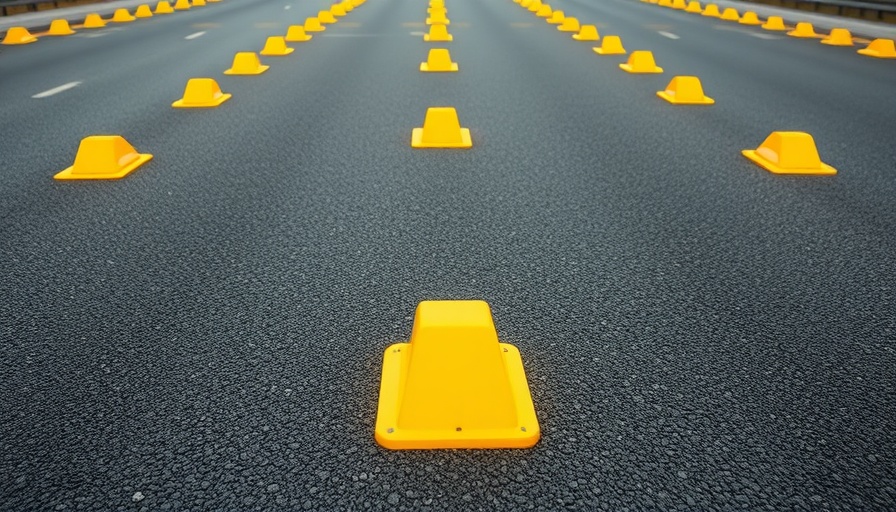
Yellow reflective road tags on dark asphalt road surface.

Understanding the Purpose of Yellow Road Tags

Have you ever been puzzled by the yellow tags you see in the middle of the road? You're not alone. Many drivers encounter these temporary road markers without understanding their purpose. These tags are particularly common during stretches of road work or repairs, serving as essential guides for lane delineation when standard markings aren’t visible.

What Are Yellow Tags?

Yellow tags, also known as reflectorized tabs, are placed to help inform drivers about the intended lane boundaries during construction or maintenance activities. According to the California Department of Transportation, their primary role is to provide temporary pavement delineation, ensuring that drivers can navigate safely even when traditional road markings are obscured.

How Do They Differ from Other Markers?

Unlike more permanent road markers, which often come in various shapes and colors, yellow tags are specifically designed for temporary use. They are linked to short-term road repairs, providing immediate benefits by making lanes visible during hazardous driving conditions. For example, while they may look similar to reflective raised dots used for permanent lane markings, yellow tags are distinct and should be treated as temporary lane lines.

The Importance of Awareness for Drivers

Being educated about these types of markers allows drivers to respond appropriately when encountering them. Ignoring these vital cues can lead to misunderstandings and potentially hazardous situations on the road. Understanding their function contributes to safer driving for everyone on the road.

Emphasizing Road Safety

As homeowners and drivers in Folsom and El Dorado Hills, staying informed about local roadway markings is crucial. Whether embarking on a DIY project around the home or navigating through construction zones, having accurate knowledge ensures better safety for you and others.

Next time you notice those yellow tags, remember their significance. They are not merely arbitrary markers but essential tools designed to help keep our roads safe, especially when repairs are underway. Stay vigilant and drive carefully!

Safety & Home Security Tips

0 Comments

Write A Comment

*
*
Related Posts All Posts

The Surprising Truth About Speeding: Does It Actually Save Time?

Update The Truth About Speeding: Does It Save Time? When you're running late, the temptation to speed can be overwhelming. But do we really save time by pressing the gas pedal a little harder? Research indicates that the seconds saved by speeding are minimal, and the dangers can be severe. Studies show that, while you might rush to a red light quicker, the net gain in time is almost nonexistent. For instance, driving 65 mph instead of 55 mph saves merely 12 minutes on a 100-mile journey. In urban settings, with traffic lights and congestion, that time disappears completely. The Hidden Costs of Speeding In addition to the minimal time savings, speeding has significant hidden costs associated with safety and finances. Data from the National Highway Traffic Safety Administration (NHTSA) indicates that speeding accounted for 29% of road fatalities in the U.S. in 2020, translating to over 11,258 untimely deaths. Beyond the immediate danger, speeding raises the likelihood of accidents, delays, and a multitude of legal repercussions. The Real Costs Explained: Safety First Speeding isn’t just a risk to you; it endangers everyone on the road. As your speed increases, so does your stopping distance. For example, a vehicle traveling at 70 mph requires approximately 490 feet to come to a complete stop, compared to a mere 345 feet at 55 mph. In unfavorable driving conditions, these figures increase appreciably, highlighting the importance of safe driving practices. Why Ignoring Speed Limits is a Dangerous Gamble Many people believe that speeding equates to freedom, but in reality, it reduces the amount of time you have to react to sudden hazards. Increased speed means diminished effectiveness of safety features like airbags and seatbelts. Furthermore, erratic driving behaviors caused by rushing can put you and those around you in peril. Alternatives to Speeding: Tips for Safer Driving Instead of opting for the quick rush, consider these practical tips: Plan your journey ahead of time, use navigation systems that account for traffic conditions, and allow for extra time to reach your destination safely. Learning to embrace patience can significantly mitigate the risks associated with speeding. Final Thoughts: Safety Over Time Ultimately, speeding might seem like a shortcut, but the risks—including serious accidents, fines, and higher insurance costs—greatly outweigh the few minutes you might save. As you strive to get to your next destination, remember that safety should always be your top priority. In an era where doing more in less time is the mantra, let’s prioritize safety over speed. While time is invaluable, your life and the lives of others are irreplaceable.

Hurricane Preparedness: Essential Lessons for Homeowners in California

Update Understanding Hurricane Preparedness: Essential LessonsHurricanes can strike without warning, and being prepared is your best defense. Residents of Folsom and El Dorado Hills can learn from the experiences of others who faced the wrath of nature. A key takeaway? Evacuation is non-negotiable. Many found themselves stuck in traffic, with essential supplies quickly running out. Leaving early can save valuable time and resources, making the escape far less stressful.Top Evacuation Tips for HomeownersFor homeowners, having a clear evacuation plan can be life-saving. Ensure you know your escape routes well, and remember to store important documents securely for quick access. Documenting your home’s condition with photos can aid significantly in insurance claims.Stocking Up: The Essentials You'll NeedMaintaining a well-stocked emergency kit is essential. This includes not only non-perishable food and water but also practical items like a portable water filter and multipurpose tools. A two-way radio can also be invaluable when communications break down.Managing Resources in a CrisisThe importance of managing resources creates a clearer picture of the chaos that can arise. For example, gas station queues become unmanageable, and food shortages can hit within hours of an evacuation notice. Keeping a few gas cans at home can help stave off panic and ensure that you can reach safety.Staying Calm Amid ChaosCivility often erodes in crisis situations, as seen during previous evacuations. It's vital to stay calm and patient with others, fostering a cooperative rather than confrontational environment. This contributes to a more positive community spirit during stressful times.The Road to Recovery: Rebuilding WiselyAfter experiencing a hurricane, rebuilding requires preparation as well. Homes built to modern codes are more resilient; consider making upgrades to your home that elevate critical systems above flood levels. FEMA and local authorities offer numerous resources to aid in this upgrading process.The Importance of CommunityCommunity resilience is a shared responsibility. When individuals and local leaders work together, they can significantly improve safety and preparedness in their neighborhoods. Keeping communication lines open, sharing resources, and supporting each other goes a long way in meetings each new emergency.As hurricane season approaches, reflect on these lessons and create a disaster preparedness plan that fits your realities. Your safety—and the safety of your loved ones—depends on it.

Top Reverse Osmosis Systems to Ensure Clean Drinking Water for Homeowners

Update Understanding Reverse Osmosis: The Key to Clean Drinking Water For homeowners in Folsom and El Dorado Hills, California, ensuring access to clean and safe drinking water is paramount. Reverse osmosis (RO) systems have emerged as a popular solution, capable of effectively eliminating contaminants found in tap water. But how do you choose the best RO system for your needs? Why Consider Reverse Osmosis Systems? Numerous studies indicate that municipal water supplies in the U.S. often contain harmful substances like lead, arsenic, and PFAS chemicals, which can have serious health implications. For residents interested in maintaining the safety of their household's drinking water, an RO system can significantly improve water quality by filtering out these impurities. The Best Reverse Osmosis Systems of 2025 Based on extensive testing, several reverse osmosis systems stand out this year: AquaTru - This countertop system boasts a remarkable efficiency ratio of 4:1, meaning it purifies four gallons of water for every gallon wasted. It is certified to remove 100% of health-related contaminants listed by the manufacturer. Cloud RO - Known for its stylish design and the ability to track filter life via a smart app, it offers efficient performance while eliminating various harmful contaminants. Waterdrop G3 P800 - This tankless system provides rapid purification and a high production rate of up to 800 gallons per day, all while ensuring minimal water waste. Key Features to Look For When selecting an RO system, consider the following aspects: Certification: Look for systems that are NSF certified, as this indicates they have been rigorously tested for contaminant removal. Efficiency Ratio: Consider systems that minimize water wastage. A 1:1 ratio or better is ideal. Maintenance Costs: Calculate long-term costs, including filter replacements and system maintenance, to ensure it fits your budget. Conclusion: Invest in Clean Water Today Investing in a quality reverse osmosis system for your home not only improves the taste of your water but protects your family’s health. Residents of Folsom and El Dorado Hills should meticulously evaluate and select an RO system that aligns with their specific needs. Remember, clean water is a fundamental necessity—don’t compromise on quality!

Terms of Service

Privacy Policy

Core Modal Title

Sorry, no results found

You Might Find These Articles Interesting

T
Please Check Your Email
We Will Be Following Up Shortly
*
*
*